CompTIA Security+ (plus) Certification Course
CompTIA Security+ Certification is the first security certification IT professionals should earn. It establishes the core knowledge required of any cybersecurity role and provides a springboard to intermediate-level cybersecurity jobs. Security+ incorporates best practices in hands-on trouble-shooting to ensure security professionals have practical security problem-solving skills. Cybersecurity professionals with Security+ know how to address security incidents – not just identify them.
CompTIA Security+ (SY0-701) Certification Training Course
Our CompTIA Security+ Certification Course is designed to provide foundational and industry-recognized cybersecurity skills required to secure networks, detect threats, manage risks, and defend systems against cyberattacks. This course covers real-world cybersecurity concepts, security frameworks, threat intelligence, network defense, governance, and hands-on security tools used in modern IT environments. Whether you're an IT student, system administrator, cybersecurity beginner, network engineer, or someone planning to build a career in cybersecurity, this course offers structured learning with practical labs, assignments, simulations, and exam-focused training aligned with the latest CompTIA Security+ SY0-701 objectives.
- Introduction to cybersecurity and certification pathways
- Threat actors, attack types, malware, and exploit methodology
- Social engineering, phishing campaigns, and threat intelligence
- Network security fundamentals and secure protocol usage
- Identity and Access Management (IAM)
- Authentication, MFA, biometrics, and access control models
- Secure architecture and enterprise infrastructure security
- Cloud and virtualization security fundamentals
- Encryption, PKI, hashing, and secure key management
- Vulnerability assessments and penetration testing concepts
- Security policies, governance, incident response, and digital forensics
- Risk management, compliance frameworks, and audit controls
- Security tools: SIEM, firewalls, endpoint detection, IDS/IPS
- Monitoring, reporting, and continuous security improvements
CompTIA Security+ is one of the most respected cybersecurity certifications globally and serves as an entry point for specialized careers such as penetration testing, SOC analysis, cybersecurity defense, and IT security management. The Security+ certification meets regulatory compliance requirements, including DoD 8570 in the United States, making it a globally recognized benchmark for cybersecurity skills. This course teaches key security domains including risk management, incident response, identity and access management, networks and system hardening, encryption, governance, cloud security, and threat detection — supported by hands-on experience with professional tools like SIEM, IDS/IPS, Kali Linux, vulnerability scanners, firewalls, encryption utilities, and secure configuration workflows Enroll now and prepare for a globally recognized cybersecurity certification with practical skills and exam readiness — launch your career in cybersecurity today!
What will I learn?
- Strong understanding of cybersecurity fundamentals, tools, and frameworks
- Hands-on experience applying real security controls and defense mechanisms
- Ability to identify, prevent, and respond to cybersecurity threats
- Exam-ready skills aligned with CompTIA Security+ (SY0-701) objectives
- Career confidence for cybersecurity, IT security, and SOC analyst roles
Requirements
- Basic computer and networking knowledge (recommended but not required)
- No prior cybersecurity experience required
- PC/laptop capable of running virtual machines and lab tools
- Interest in cybersecurity, IT security administration, or ethical hacking
Start Your Enrollment
We are variations of passages the have suffered.
Why Choose Us ?
Our CompTIA Security+ Certification Course is designed for students, IT beginners, and professionals who want to build strong foundational skills in cybersecurity. We provide easy-to-understand, hands-on training on network security, threat analysis, risk management, identity access control, cryptography, and security operations. The course strictly follows the official Security+ exam objectives with clear, step-by-step teaching. With expert instructors, practical labs, and real-world case studies, you gain the confidence to identify threats, secure systems, and begin a successful career in cybersecurity.
Career Opportunities After CompTIA Security+ (Plus) Certification Course
The CompTIA Security+ (Plus) Course is a globally recognized certification that prepares learners for entry-level to mid-level cybersecurity roles. It validates essential skills in network security, threat management, risk mitigation, and compliance. After completing this course, you can pursue positions such as Security Administrator, Network Security Specialist, Systems Administrator, Cybersecurity Analyst, or IT Support Specialist. This certification is a strong stepping stone toward advanced security roles and government cybersecurity positions.
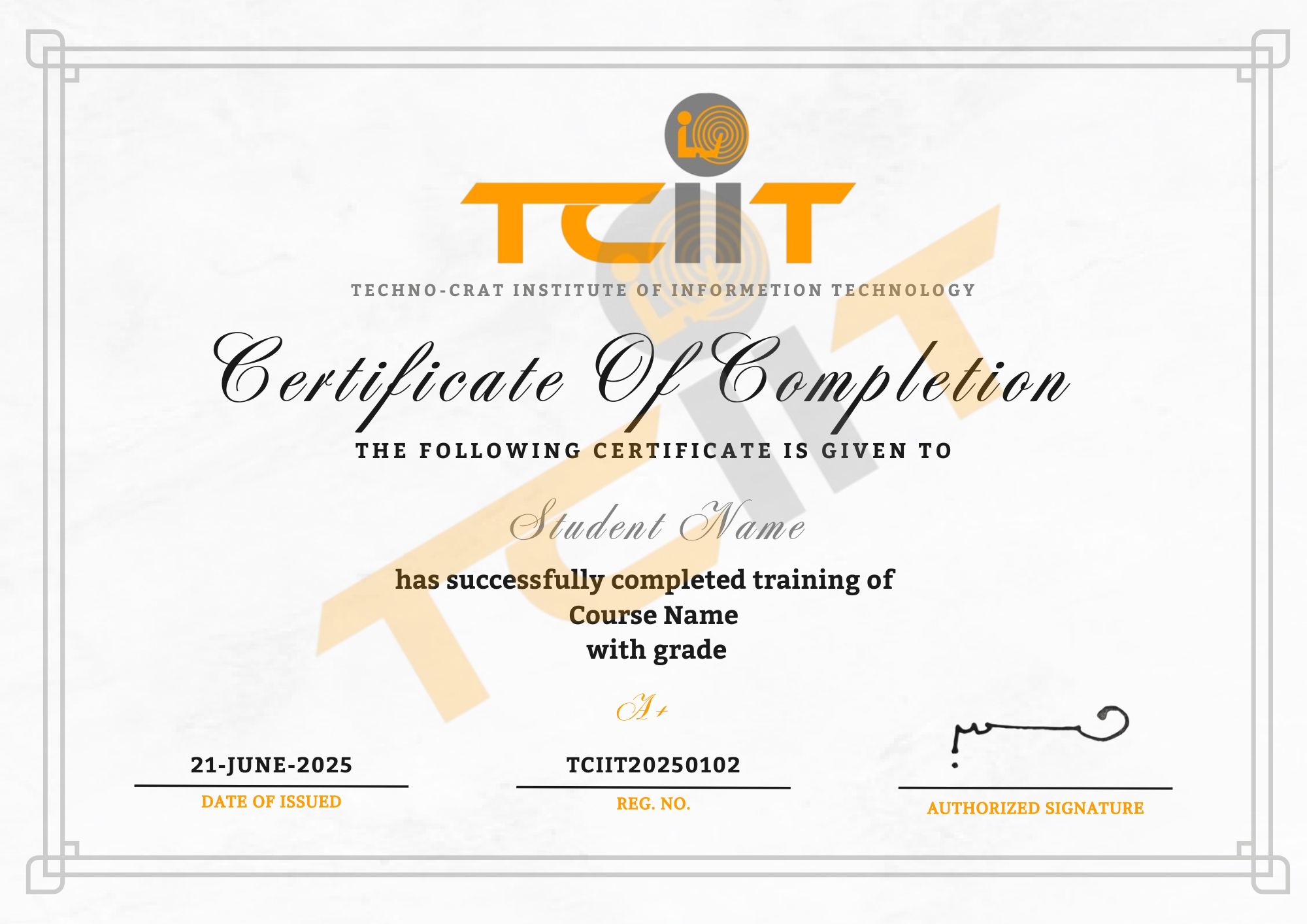
CompTIA Security+ (Plus) Certification
Get Certified and Launch Your Cybersecurity Career
- Complete all modules covering network security, risk management, cryptography, and incident response.
- Pass the CompTIA Security+ (SY0-701) certification exam.
- Receive your CompTIA Security+ Certificate and demonstrate your cybersecurity expertise to employers worldwide.
Upon successful completion of the CompTIA Security+ (Plus) Course, you will receive an industry-recognized certification through our Learning Management System (LMS). This certification validates your foundational cybersecurity skills, making you eligible for global opportunities in IT security and defense sectors. It also fulfills DoD 8570 compliance requirements for security professionals.