Data Science using Python Course
Our Data Science Using Python Course is designed to help you master the core skills required to analyze and interpret data effectively. You’ll learn Python programming, data cleaning, data manipulation with Pandas, visualization with Matplotlib and Seaborn, statistics, and the fundamentals of machine learning. Through practical exercises and real-world case studies, this course equips you with the ability to turn raw data into actionable insights using one of the most powerful and popular tools in the industry — Python.
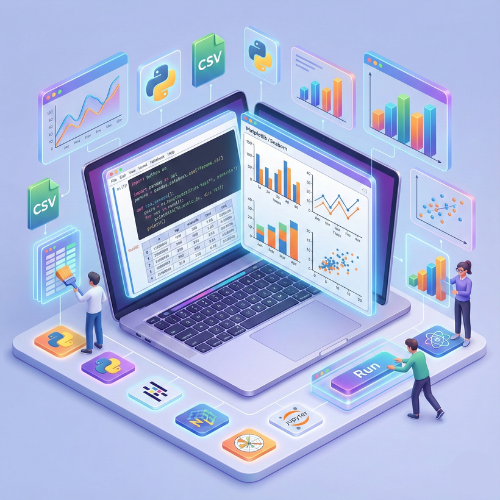
Data Science Using Python Certification Training Course
Our Data Science Using Python Course is designed to help learners master the complete data science workflow — from data collection and cleaning to analysis, visualization, machine learning, and predictive modeling. This course covers essential Python programming, statistical concepts, data manipulation, visualization libraries, machine learning algorithms, and real-world data science projects. Whether you're a student, working professional, programmer, analyst, or someone transitioning into the field of data science, this course provides hands-on practical experience with real datasets and industry tools that are widely used in analytics, AI, finance, business intelligence, and research.
- Introduction to Data Science & Python Environment
- Python basics: variables, loops, functions, data structures
- Working with Jupyter Notebook & Anaconda
- Data manipulation using Pandas (cleaning, merging, grouping)
- Numerical computing with NumPy
- Data visualization using Matplotlib & Seaborn
- Exploratory Data Analysis (EDA) techniques
Python is the most popular language for data science due to its simplicity, flexibility, and powerful data analysis libraries like NumPy, Pandas, Matplotlib, Seaborn, Sci-kit Learn, and TensorFlow. This course teaches you how to use Python to solve real-world analytical problems, build machine learning models, and extract meaningful insights from raw datasets. You will work on real industry scenarios such as sales forecasting, customer segmentation, fraud detection, recommendation systems, and predictive analytics. By the end of the course, you’ll have strong coding skills, analytical thinking, and the ability to create complete machine learning pipelines from scratch Enroll now and become a certified Data Science Professional using Python with real-world machine learning and analytics experience!
What will I learn?
- Ability to write Python programs for data analytics
- Skills to clean, manipulate, analyze & interpret complex data
- Practical experience with visualization and EDA
- Knowledge of popular ML algorithms & evaluation techniques
- Ability to build complete ML models using real datasets
- Career-ready skills for data analyst, machine learning, and data science roles
Requirements
- Basic computer knowledge
- Understanding of math or statistics (helpful but not mandatory)
- Laptop/PC capable of running Python, Jupyter Notebook & libraries
- No programming experience required — beginner-friendly
Start Your Enrollment
We are variations of passages the have suffered.
Why Choose Us ?
At TCIIT, our Data Science Using Python Course is designed to build strong foundations in Python programming, data handling, statistics, machine learning, and data visualization. You learn how to collect, clean, analyze, and visualize real-world data using powerful Python libraries like NumPy, Pandas, Matplotlib, Seaborn, Scikit-Learn, and more. The training is completely practical, helping you understand how data science is used in industries like business, finance, healthcare, marketing, sales, and technology.
Diverse Career Opportunities in Data Science Using Python: Exploring Emerging Roles in India’s AI & Analytics Ecosystem
In India, mastering Data Science using Python opens the door to numerous high-demand career opportunities across technology, finance, healthcare, e-commerce, manufacturing, and consulting sectors. Python is the most widely used programming language in data science due to its simplicity, vast libraries (NumPy, Pandas, Scikit-learn, TensorFlow), and strong community support. Top global organizations like Google, Amazon, Meta, Microsoft, IBM, and Deloitte actively hire Python-based data science professionals to analyze data, build predictive models, develop AI solutions, and optimize complex business processes. Python Data Scientists are highly valued because they can manage complete data cycles—from data cleaning and visualization to model building, deployment, and automation. Their expertise supports advanced analytics, AI-driven decision-making, and performance optimization across industries. While salary structures depend on skill level and experience, the average annual salary for a Python Data Scientist in India ranges from 700,000 to 1,000,000 INR, whereas in the USA it is approximately $110,000 per year, showcasing strong global demand and excellent earning potential.
Get Data Science Using Python Certification
Three easy steps will unlock your Data Science Using Python Certification
- Complete the online/offline Data Science Using Python Course along with all required assignments.
- Work on and successfully complete multiple industry-based Data Science and Python-driven Machine Learning projects.
- Pass the Data Science Using Python Certification Exam to earn your recognized industry certificate.
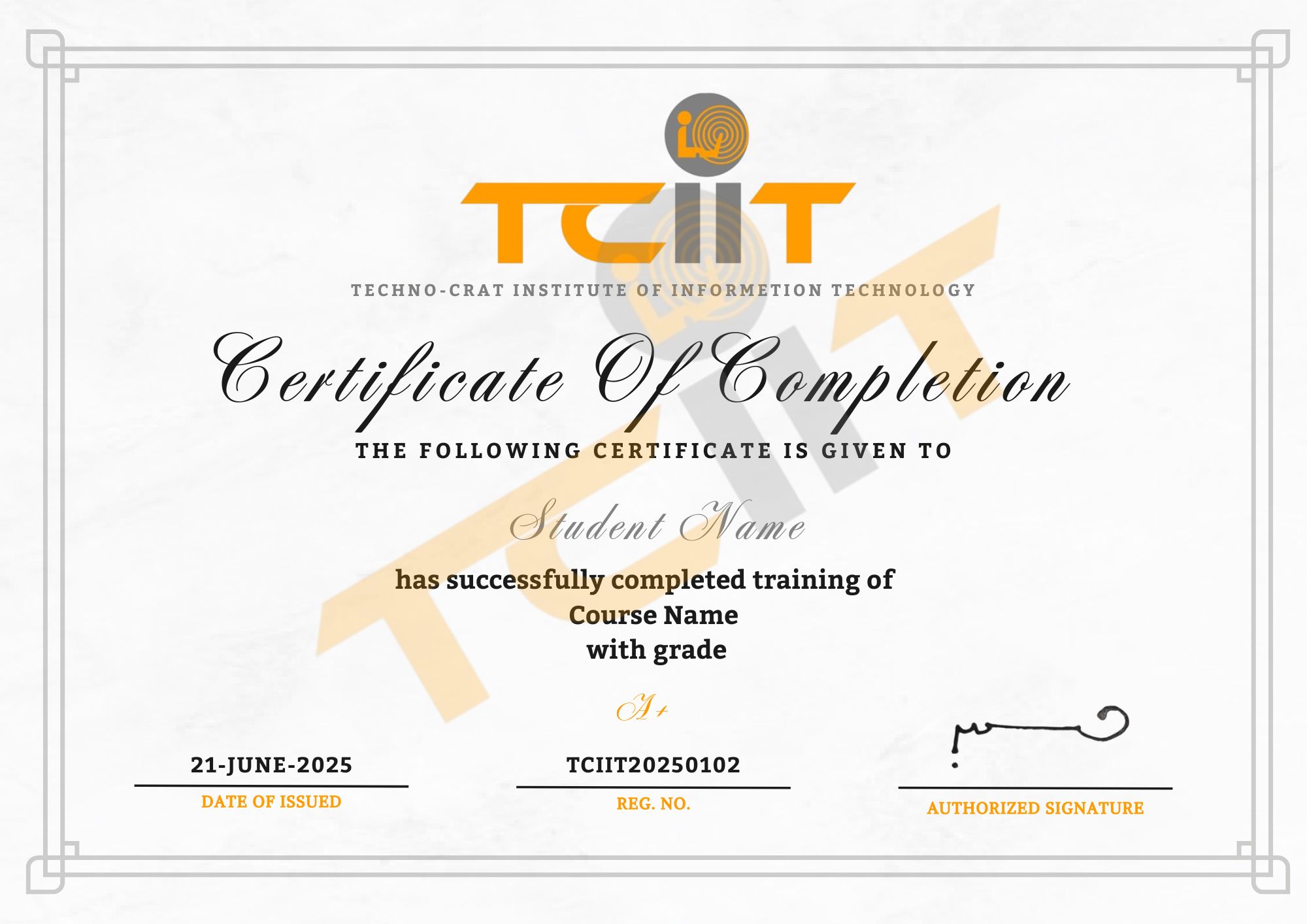
The certificate for this Data Science Using Python course will be provided through our learning management system (LMS). You can download the certificate anytime and add the certificate link to your CV, resume, or LinkedIn profile to showcase your Python-based data science expertise.