CCNA - Cisco Certified Network Associate Training
This course prepares you for the CCNA certification by Cisco. You will learn networking fundamentals, IP addressing, routing and switching, network security, and how to configure Cisco devices. Ideal for those looking to build a career in networking and IT infrastructure.
CCNA – Cisco Certified Network Associate Training
Our CCNA Training Program provides a strong foundation in networking concepts, IP connectivity, security fundamentals, automation, and infrastructure services. This course equips learners with the skills needed to install, configure, operate, and troubleshoot small to medium-sized networks using Cisco routers, switches, and real-world networking tools. Whether you're starting a career in networking or upgrading your skills for IT roles, this CCNA certification training combines theory, practical labs, and configuration exercises to help you gain real-time networking experience and prepare effectively for the official Cisco CCNA exam.
- Networking concepts and architecture
- OSI & TCP/IP models
- IPv4 and IPv6 addressing and subnetting
- Configuring routers and switches
- VLANs, trunking, STP, EtherChannel
- DHCP, NAT, DNS, and network services
- WAN technologies and VPN fundamentals
- Network automation and programmability basics
- Network security concepts and device hardening
- Network troubleshooting tools and methodologies
The Cisco Certified Network Associate (CCNA) certification is one of the most globally recognized credentials in the networking industry. It validates your ability to manage and troubleshoot enterprise networks and builds a strong career path for advanced certifications like CCNP, CCIE, and specialized security or cloud tracks. With hands-on sessions using Cisco Packet Tracer, GNS3, and real hardware environments, this course focuses on understanding routing and switching, IP addressing, security controls, network automation, and infrastructure best practices—helping you become job-ready in the networking domain Enroll now to become a certified networking professional and open doors to high-demand IT opportunities worldwide!
What will I learn?
- Ability to configure and manage Cisco routers and switches
- Skills in designing, building, and troubleshooting networks
- Understanding of enterprise networking and routing protocols
- Hands-on experience with Cisco command-line interface (CLI)
- Preparation for the official Cisco CCNA certification exam
Requirements
- Basic computer knowledge
- No prior networking experience required (recommended but optional)
- Willingness to practice hands-on configurations and labs
- Interest in networking, system administration, and IT infrastructure
Start Your Enrollment
We are variations of passages the have suffered.
Why Choose Us ?
Our CCNA – Cisco Certified Network Associate Training is designed to build strong networking fundamentals for students, IT beginners, and professionals aiming to enter the networking and cybersecurity domain. We provide practical, hands-on training on networking basics, routing & switching, IP addressing, VLANs, WAN technologies, and network security. The course follows the official CCNA curriculum with clear, step-by-step teaching. With real-time lab practice, industry-expert trainers, and scenario-based learning, you gain the confidence to configure, troubleshoot, and manage modern computer networks effectively for your career growth.
Diverse Career Opportunities in CCNA: Exploring Networking & Infrastructure Roles in India’s IT and Cybersecurity Industry
In India, earning a CCNA (Cisco Certified Network Associate) certification opens the door to strong career opportunities across IT networking, cybersecurity, cloud infrastructure, telecom, ISP services, and enterprise network management. Top companies such as Cisco, IBM, TCS, Infosys, Wipro, Accenture, Airtel, Jio, Tech Mahindra, Dell, and major data centers actively hire CCNA-certified professionals to manage networks, secure systems, and support large-scale IT infrastructures. CCNA professionals are highly valued for their expertise in configuring routers and switches, managing LAN/WAN networks, troubleshooting connectivity issues, implementing network security, and supporting enterprise-level communication systems. Their skills help organizations maintain stable networks, ensure data security, reduce downtime, and improve digital operations across all business environments. Salary packages vary depending on experience, specialization, and certifications. In India, the average annual salary for a CCNA Network Engineer ranges from 350,000 to 750,000 INR, while in the USA it typically ranges between $60,000 to $90,000 per year, demonstrating strong global demand and promising growth in networking, security, and cloud infrastructure careers.
Get CCNA – Cisco Certified Network Associate Certification
Three Easy Steps to Unlock Your CCNA Certification
- Complete the online or offline CCNA Training Course and all practical assignments.
- Successfully complete hands-on networking projects and Cisco lab exercises.
- Pass the CCNA Certification Exam to earn your official Cisco Certified Network Associate credential.
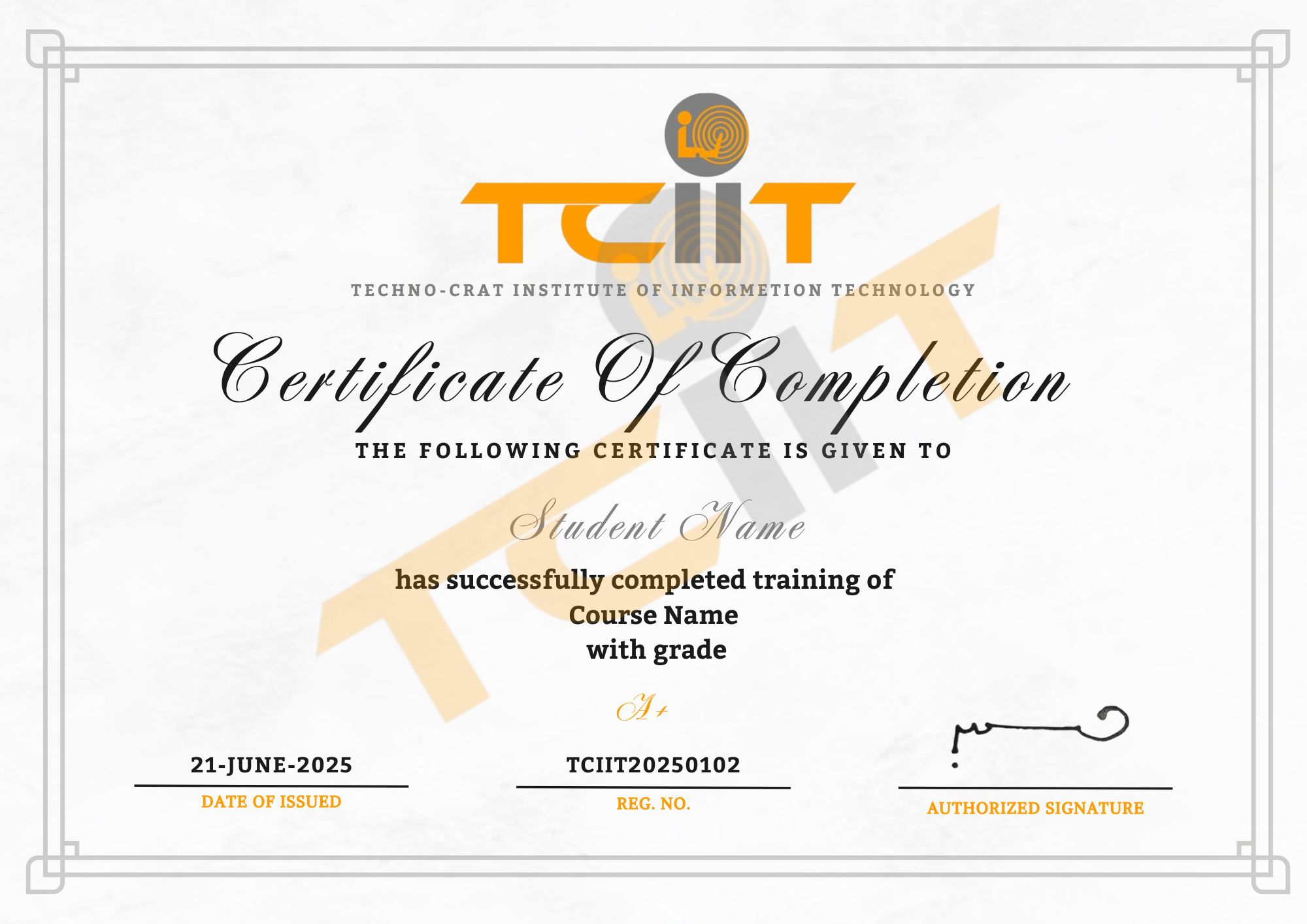
The certificate for this CCNA – Cisco Certified Network Associate course will be available through our Learning Management System (LMS), where you can easily view and download it. Add your certificate link to your CV or LinkedIn profile to showcase your professional networking skills.