Cyber Security Course
This course introduces you to the basics of cyber security. You will learn how to protect computers, networks, and data from cyber threats, viruses, and hackers. Topics include online safety, ethical hacking, firewalls, and security tools. Perfect for beginners and IT enthusiasts.
Cyber Security Course
Our Cyber Security Course is designed to help learners build strong foundational and practical skills in system security, ethical hacking, threat detection, vulnerability analysis, and network protection. This course covers key cybersecurity principles, tools, and techniques used in real-world environments to secure systems, networks, data, and applications from cyber threats. Whether you're a beginner, IT student, networking professional, ethical hacker, or someone aiming for a cybersecurity career, this program provides hands-on experience through labs, simulations, tools, frameworks, and case-based exercises focused on modern cybersecurity challenges.
- Introduction to cybersecurity and security concepts
- Operating systems fundamentals: Windows & Linux security
- Networking basics, protocols & network security
- Types of cyber threats: malware, phishing, ransomware, DDoS, MITM
- Cybersecurity frameworks and best practices
- Vulnerability assessment and penetration testing
- Ethical hacking concepts and methods
- Tools: Nmap, Metasploit, Burp Suite, Wireshark, Hydra, Aircrack-ng
- Password security, hashing, encryption, and cryptography
- Firewall configuration, IDS/IPS, and secured network architecture
- Web application security and OWASP Top 10
- Wireless network security and testing
- Incident response, forensics, SOC fundamentals
- Cyber laws, compliance, governance & reporting
Cybersecurity has become one of the most in-demand skills worldwide due to increasing cybercrimes, data breaches, malware attacks, phishing, ransomware, and identity theft. Organizations across sectors rely on cybersecurity professionals to protect systems, secure infrastructure, and ensure regulatory compliance. This course helps learners master essential security tools, including firewalls, Kali Linux, Metasploit, Wireshark, Nmap, Burp Suite, and penetration testing frameworks. By learning real security workflows, attacks, defensive strategies, and incident response, you’ll gain the confidence and skills needed to pursue cybersecurity roles and globally recognized certifications Enroll now and start your journey toward becoming a cybersecurity professional with hands-on skills in ethical hacking, network defense, and cyber protection!
What will I learn?
- Ability to identify security risks, vulnerabilities, and attack patterns
- Hands-on experience in ethical hacking and penetration testing tools
- Skills to secure systems, networks, applications, and data environments
- Knowledge of cybersecurity frameworks, laws, and professional standards
- Career-ready cybersecurity fundamentals for SOC roles, penetration testing, and IT security positions
Requirements
- Basic computer knowledge
- Understanding of networking concepts (recommended but not mandatory)
- Laptop/PC capable of running cybersecurity tools and virtual labs
- Interest in ethical hacking, digital safety, or IT security careers
Start Your Enrollment
We are variations of passages the have suffered.
Why Choose Us ?
Our Cyber Security Course is designed for students, beginners, and professionals who want to build strong skills in protecting digital systems and information. We provide practical, hands-on training on network security, system protection, malware analysis, ethical hacking basics, data security, and incident response. The course follows an industry-oriented curriculum with simple, step-by-step teaching. With expert trainers, real-time labs, and case-study-based learning, you gain the confidence to identify threats, secure networks, and safeguard digital environments effectively.
Diverse Career Opportunities in Cyber Security: Exploring Paths in the Global Technology Sector
In today’s digital age, Cyber Security professionals are in high demand across industries. Expertise in Cyber Security opens doors to rewarding careers in leading organizations such as Microsoft, IBM, Cisco, and Deloitte. These companies highly value professionals skilled in ethical hacking, network protection, and data security. While salaries vary based on experience and specialization, the average annual salary for a Cyber Security professional in India is around ₹7,00,000, while in the USA, it reaches approximately $92,000.
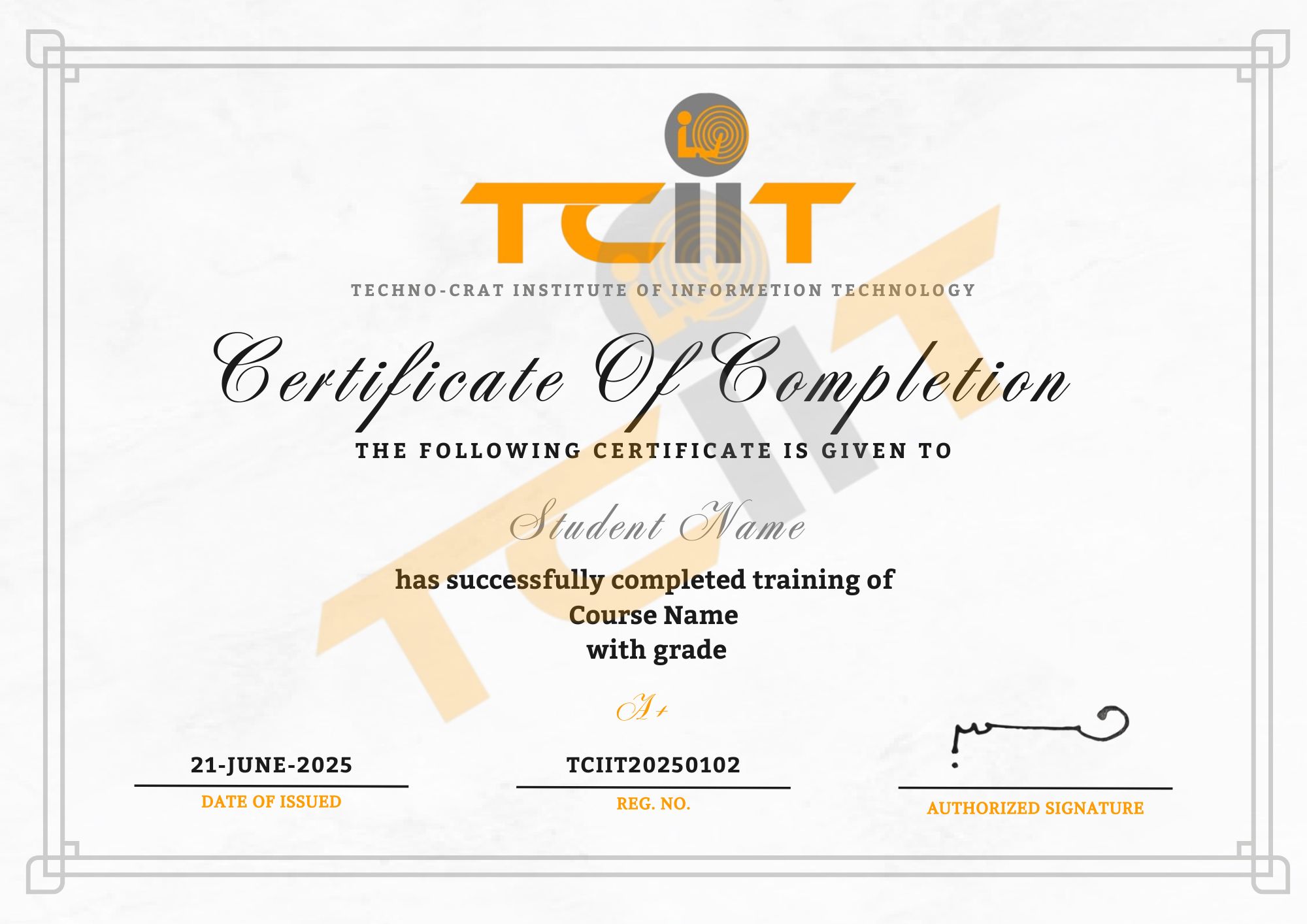
Get Cyber Security Certification
Three Easy Steps to Unlock Your Cyber Security Certification
- Complete the online or offline Cyber Security Training Course and all required assignments.
- Successfully complete real-world security projects and threat analysis tasks.
- Pass the Cyber Security Certification Exam to earn your official certificate.
The certificate for this Cyber Security course will be provided through our Learning Management System (LMS), where you can easily view and download it. You can also add your certificate link to your CV or LinkedIn profile to highlight your cybersecurity expertise and professional growth.